
How to Dispute a Freight Reclassification Charge in 2026: A Comprehensive Guide
Disputing a freight reclassification charge involves meticulously gathering evidence of accurate freight dimensions, weight, and classification to present to the carrier or auditing firm. In 2026, with evolving freight classification standards and advanced measurement technologies, understanding the process is critical for LTL stakeholders to recover erroneous charges. This guide provides a structured approach for freight forwarders, carriers, 3PL providers, warehouse teams, and shippers to effectively challenge these unexpected costs.
The National Motor Freight Traffic Association (NMFTA) updates its classification standards periodically, with significant revisions impacting how LTL shipments are categorized and billed. For instance, the NMFC standards effective July 19, 2025, introduced nuanced adjustments that may lead to unintended reclassifications if freight is not precisely measured and categorized. Approximately 15-20% of LTL shipments are subject to reclassification, with a significant portion of these being disputed.
This article will equip you with the knowledge to navigate the dispute process, from understanding the reasons behind reclassification to building a compelling case and leveraging modern tools for precise freight data. We will cover how to verify initial classifications, identify common reclassification errors, gather irrefutable proof, and effectively communicate with carriers.
Key Takeaways
- Document Everything: Maintain detailed records of original shipment information, including bills of lading (BOL), packing lists, and initial weight and dimension calculations.
- Understand NMFC Standards: Familiarize yourself with the National Motor Freight Classification (NMFC) rules, especially the latest revisions effective July 19, 2025, to identify potential inaccuracies.
- Verify Initial Data: Always double-check the freight class, dimensions, and weight recorded by the shipper or carrier at pickup to ensure accuracy from the outset.
- Leverage Technology: Utilize advanced measurement tools that capture precise dimensions and calculate density automatically to provide objective evidence.
- Build a Strong Case: Compile a clear, concise dispute package with photographic evidence, measurement data, and a detailed explanation of why the reclassification is incorrect.
- Know Your Carrier's Process: Understand the specific dispute resolution procedures and timelines of each LTL carrier you work with.
Why Was My LTL Shipment Reclassified?
Freight reclassification occurs when an LTL carrier or a third-party auditing firm determines that the initial freight class, dimensions, or weight provided by the shipper is inaccurate according to National Motor Freight Classification (NMFC) standards. Common reasons include incorrect density calculations, misreported dimensions (length, width, height), or misidentified commodity type, leading to a higher, more expensive freight class.
The primary driver for reclassification is often a discrepancy in the freight's density, which is a key determinant of its class. If the actual density is lower than initially declared, the shipment will be reclassified to a higher class, resulting in increased freight charges. Similarly, inaccurate length, width, or height measurements can lead to miscalculations of stowability or handling requirements, triggering a reclassification.
What is Freight Density and Why Does it Matter?
Freight density is a critical metric in LTL shipping, calculated by dividing the total weight of a shipment by its total cubic volume. It is expressed in pounds per cubic foot (lb/ft³). Carriers use density as a primary factor in determining freight class, as it correlates with how efficiently a shipment can be handled and transported. Higher density generally indicates a more compact and potentially heavier shipment relative to its size, while lower density suggests a larger, potentially lighter shipment occupying more space.
The NMFC establishes specific density ranges for each freight class. For example, a shipment falling within a certain weight and volume range might be classified as Class 70 if its density is 10-12 lb/ft³, but if that same shipment weighs the same but occupies more space, resulting in a density of 8-9 lb/ft³, it could be reclassified to Class 85 or higher. Accurate density calculation is therefore paramount for correct LTL freight classification.
How Do Incorrect Dimensions Lead to Reclassification?
Incorrectly reported dimensions (length, width, height) directly impact the calculated volume of a shipment, which in turn affects the density calculation and can also influence stowability and handling classifications. If dimensions are underestimated, the calculated volume will be smaller, leading to a higher density and potentially a higher freight class. Conversely, if dimensions are overestimated, the density might appear lower, but this could still lead to reclassification if the actual dimensions exceed certain handling or stowability thresholds.
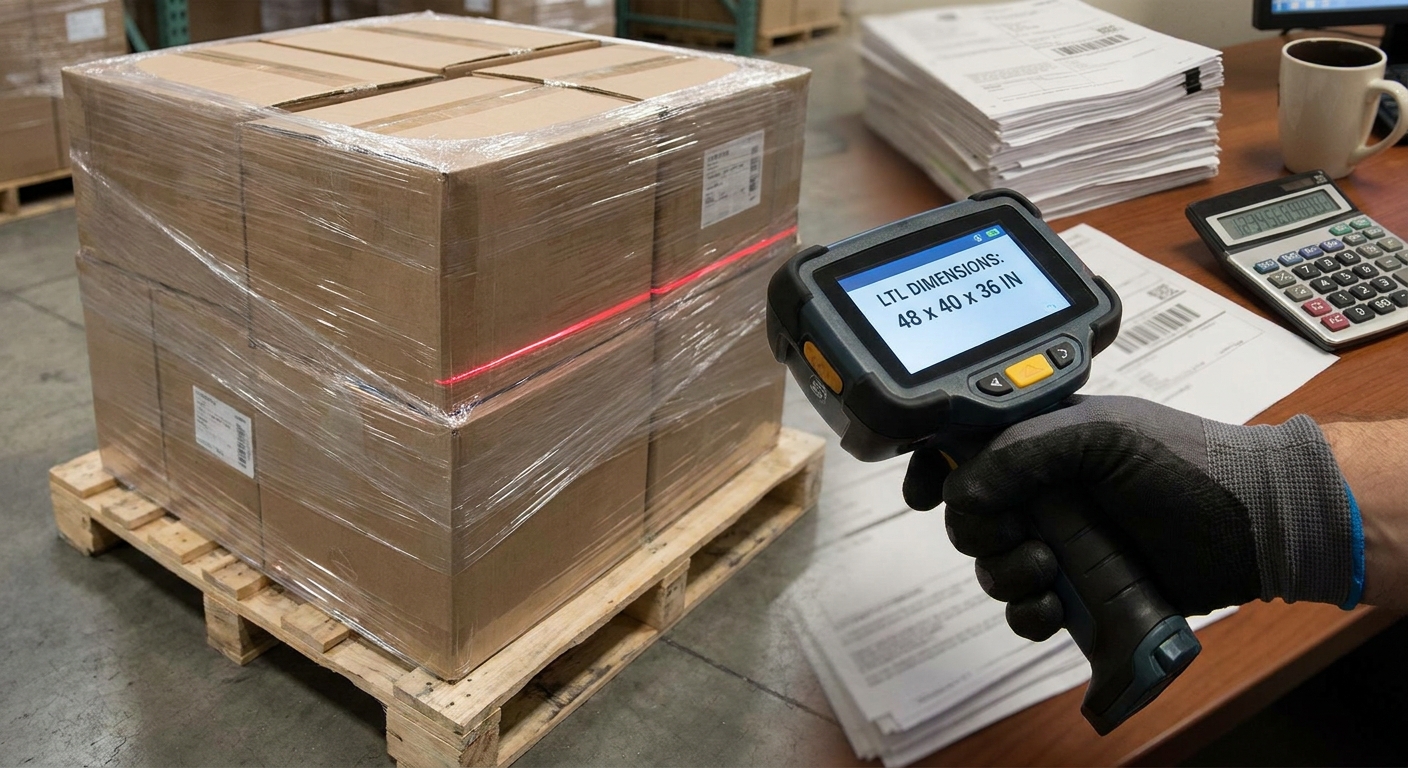
For instance, if a shipment's actual dimensions are 60 inches x 48 inches x 48 inches, but it's recorded as 48 inches x 40 inches x 40 inches, the volume difference is substantial. This misreporting can lead to an incorrect density calculation and, consequently, an incorrect freight class. Modern dimensioning systems are crucial for ensuring precise measurement.
What are the Most Common LTL Reclassification Errors?
The most prevalent LTL reclassification errors stem from inaccurate density calculations, often due to imprecise dimension measurements or incorrect weight reporting. Other common errors include misidentification of the commodity being shipped, improper handling of density exceptions, and errors in applying sub-number classifications. The NMFC's complexity, especially with its 2025 updates, makes it susceptible to misinterpretation by shippers and even some carriers.
A significant percentage of disputes arise from the carrier's measurement or auditing process differing from the shipper's initial reporting. This can be due to variations in measurement techniques or a lack of standardized equipment. For example, a shipment of irregularly shaped items might be measured differently by the shipper and the carrier, leading to a dispute.
How Can I Prevent LTL Reclassification Charges?
Preventing LTL reclassification charges requires a proactive approach focused on accuracy at the point of shipment creation and rigorous verification of carrier data. This involves meticulous documentation, understanding the NMFC guidelines thoroughly, and implementing precise measurement and classification processes before the freight leaves the dock. Investing in accurate dimensioning and weight capture technology is a key strategy for minimizing disputes and ensuring cost predictability.
The most effective prevention strategy is to ensure all shipment data – weight, dimensions, and commodity description – is accurate and verifiable from the moment the shipment is tendered. This includes having a clear understanding of the NMFC and how your specific goods fit within its classification structure. Proactive measurement and classification reduce the likelihood of surprises from carrier audits.
How Can I Ensure Accurate Freight Dimensions and Weight?
Ensuring accurate freight dimensions and weight involves utilizing standardized measurement protocols and reliable equipment. For dimensions, this means consistently measuring the maximum length, width, and height of the freight, including any overhangs. For weight, using calibrated scales that can handle the shipment's full capacity is essential. Implementing a system for double-checking these measurements before tendering the load significantly reduces errors.
Tools that automate the capture of these critical data points offer the highest level of accuracy. For example, the FreightSizer app utilizes LiDAR technology to precisely measure freight dimensions on an iPhone or iPad, automatically calculating the volume and density, and assisting in determining the correct LTL freight class in line with NMFTA guidelines. This eliminates human error inherent in manual tape measurements and ensures consistency.
How Do I Determine the Correct LTL Freight Class?
Determining the correct LTL freight class involves accurately identifying the commodity being shipped and then applying the NMFC rules based on its characteristics, including density, handling requirements, stowability, and liability. The NMFC provides a detailed directory of commodities, each assigned a base class. Density is a crucial factor, as shipments falling outside the standard density range for a given class will be reclassified.
Shippers can consult the NMFC publication or use classification software to determine the appropriate class. However, the NMFC standards effective July 19, 2025, introduce further nuances. It is imperative to consider all classification factors, not just density, to ensure the most accurate class assignment.
What are the Latest NMFC Standards and How Do They Affect Classification?
The NMFC standards effective July 19, 2025, introduced specific adjustments to freight classification criteria. These updates aim to improve accuracy and fairness in how freight is categorized, but they can also lead to unexpected reclassifications if not carefully understood and applied. Key changes often involve refinements to density thresholds, updated commodity descriptions, and new rules for handling mixed commodities or shipments with special requirements.
Understanding these latest revisions is crucial for accurate classification and dispute prevention. For instance, a commodity previously classified under one set of parameters might now fall under different rules, potentially altering its freight class. Staying informed about these updates from the NMFTA is a continuous requirement for logistics professionals.
How Do I Dispute an Incorrect Freight Reclassification Charge?
Disputing an incorrect freight reclassification charge requires a systematic approach, beginning with a thorough review of the carrier's reclassification notice and the original shipment documentation. You must then gather compelling evidence to demonstrate the accuracy of your initial classification, focusing on precise dimensions, weight, and commodity details. Presenting a well-documented case to the carrier or auditing firm within their specified timeframe is essential for a successful dispute.
The core of any successful dispute lies in irrefutable proof. This means providing objective data that contradicts the carrier's findings and supports your original classification. The goal is to show that the reclassification was based on erroneous information or misapplication of NMFC rules.
What Evidence Do I Need to Support My Dispute?
To effectively dispute a reclassification charge, you need robust evidence that clearly refutes the carrier's claim. This includes the original Bill of Lading (BOL), packing lists, and any initial weight and dimension records. Crucially, you need objective proof of the freight's actual dimensions and weight at the time of pickup. This can include photographs of the freight with a visible measuring device, video evidence of the measurement process, or data from automated dimensioning systems.
If the dispute centers on density, precise volume calculations derived from accurate dimensions are vital. If the commodity type is in question, product specifications, Safety Data Sheets (SDS), or manufacturer descriptions can serve as supporting documentation. The more objective and verifiable your evidence, the stronger your case.
How Should I Document My Shipment Measurements?
Documenting shipment measurements should be a meticulous process aimed at creating an unassailable record. This involves taking clear photographs of the freight from multiple angles, ensuring that measuring tapes or automated dimensioning devices are visible and legible within the frame. For automated systems, capturing screenshots or logs of the measurement data, including timestamps and device identification, provides a digital audit trail.
When using manual measurements, ensure they are taken at the widest points of the freight, including any pallets or securing materials. Recording these measurements in a standardized format, such as on the BOL or a dedicated shipping log, and having them verified by a second person can add further credibility. The NMFC standards effective July 19, 2025, emphasize precise data, making robust documentation more critical than ever.
What is the Process for Submitting a Dispute to the Carrier?
The process for submitting a dispute to an LTL carrier typically involves contacting their billing or claims department and submitting a formal dispute request. Most carriers have a specific form or online portal for this purpose. You will need to provide the shipment details, the reclassification notice, your original documentation, and all supporting evidence. Adhering to the carrier's stated dispute resolution timeline, usually between 30 and 90 days from the reclassification invoice date, is critical.
It is advisable to send your dispute via certified mail or through the carrier's official dispute portal to ensure a traceable record of submission. Clearly articulate why you believe the reclassification is incorrect, referencing specific NMFC rules and presenting your evidence in a clear, organized manner.
How Can Technology Aid in Freight Reclassification Disputes?
Technology offers a powerful solution for both preventing and disputing freight reclassification charges by providing objective, verifiable data. Automated dimensioning systems, for example, eliminate the subjectivity and potential for human error associated with manual measurements. These systems can capture precise dimensions, calculate volume and density automatically, and generate digital records that serve as irrefutable evidence in a dispute.
Solutions like the FreightSizer app leverage LiDAR technology to provide highly accurate measurements, reducing the likelihood of discrepancies. This technology not only simplifies the initial classification process but also equips shippers and carriers with the data needed to swiftly resolve any reclassification disputes, potentially saving significant time and resources.
What Happens if My Dispute is Denied?
If your dispute is denied, the next steps depend on the reason for denial and your willingness to pursue the matter further. Typically, the carrier will provide a reason for their decision. You may have the option to appeal the denial internally, request further documentation from the carrier to understand their rationale, or consider external arbitration or legal counsel if the amount in dispute is significant and you are confident in your case.
It's important to review the carrier's denial carefully. If the denial is based on a misunderstanding of the NMFC rules or a factual error in their assessment, you might be able to present additional clarifying information. However, if the denial is upheld and you cannot find grounds for further appeal, you may have to accept the reclassification charges.
Can I Re-open a Denied Dispute?
Re-opening a denied dispute is possible if new, compelling evidence emerges that was not available or presented during the initial review. This could include additional photographic or video documentation, a corrected weight certificate, or a revised interpretation of NMFC rules from a qualified expert that clearly contradicts the carrier's findings. However, carriers are not obligated to re-open disputes without substantial new grounds.
You would need to formally request a re-opening, clearly outlining the new evidence and explaining why it warrants a second review. Be prepared for the carrier to have a defined process for such requests, and understand that success is not guaranteed.
When Should I Consider External Arbitration or Legal Action?
External arbitration or legal action should be considered when the amount of reclassification charges is substantial, and you have exhausted all internal dispute resolution avenues with the carrier. If you possess strong, verifiable evidence of an incorrect reclassification and the carrier remains unwilling to rectify the situation, these options can provide a path to resolution. Arbitration is often a more cost-effective and faster alternative to traditional litigation.
Before pursuing these avenues, it is advisable to consult with a logistics legal expert or a freight auditing specialist who can assess the strength of your case and guide you through the complexities of arbitration or legal proceedings. The NMFC standards, while complex, are legally binding, and disputes often hinge on their precise interpretation.
How Can I Improve My Chances of Success in Future Disputes?
Improving your chances of success in future disputes hinges on consistently implementing best practices for freight classification and documentation. This includes investing in accurate measurement technology, thoroughly training your staff on NMFC guidelines and proper shipping procedures, and maintaining a robust system for record-keeping. Proactive data capture and verification at the point of shipment are your strongest defenses against erroneous reclassifications.
Regularly reviewing your past disputes and their outcomes can also provide valuable insights into common pitfalls and areas for improvement. Staying updated on NMFC changes, such as those effective July 19, 2025, is also crucial for maintaining compliance and accuracy.
Frequently Asked Questions
What is the primary reason for LTL freight reclassification?
The primary reason for LTL freight reclassification is a discrepancy between the initially declared freight class, dimensions, or weight and the actual characteristics of the shipment as determined by the carrier or an auditing firm, often due to incorrect density calculations.
How quickly do I need to dispute a reclassification charge?
You typically need to dispute a reclassification charge within a specific timeframe, often between 30 to 90 days from the date of the reclassification invoice. Always check the carrier's specific policy for exact deadlines.
Can I dispute a charge if I used a third-party auditor?
Yes, you can dispute a charge even if a third-party auditor was involved. The dispute would typically be initiated by the party who paid the freight bill, and you would provide your evidence to support your claim that the auditor's or carrier's reclassification was incorrect.
What is the role of the NMFC in freight reclassification?
The NMFC (National Motor Freight Classification) provides the standardized system for classifying LTL freight in North America. It defines freight classes based on factors like density, stowability, handling, and liability, and carriers use these classifications to bill for services.
Is there a standard form for disputing LTL reclassification charges?
While there isn't one universal standard form, most LTL carriers provide their own specific dispute claim forms or online submission portals that you must use to formally initiate a dispute.
Conclusion
Effectively disputing LTL freight reclassification charges in 2026 requires a commitment to accuracy, meticulous documentation, and a thorough understanding of NMFC standards, particularly the latest revisions. By proactively ensuring precise freight data capture, utilizing advanced measurement technologies, and systematically building a case with verifiable evidence, logistics professionals can significantly improve their success rate in challenging erroneous charges.
Empowering your team with the right tools and knowledge is paramount. For those seeking to enhance precision in freight measurement and classification, exploring solutions designed for accurate dimensioning and density calculation can be a game-changer. If you are experiencing frequent reclassification issues, it is time to re-evaluate your current processes and invest in technologies that provide objective, irrefutable data to protect your bottom line.